Ordos — A Failed Utopia
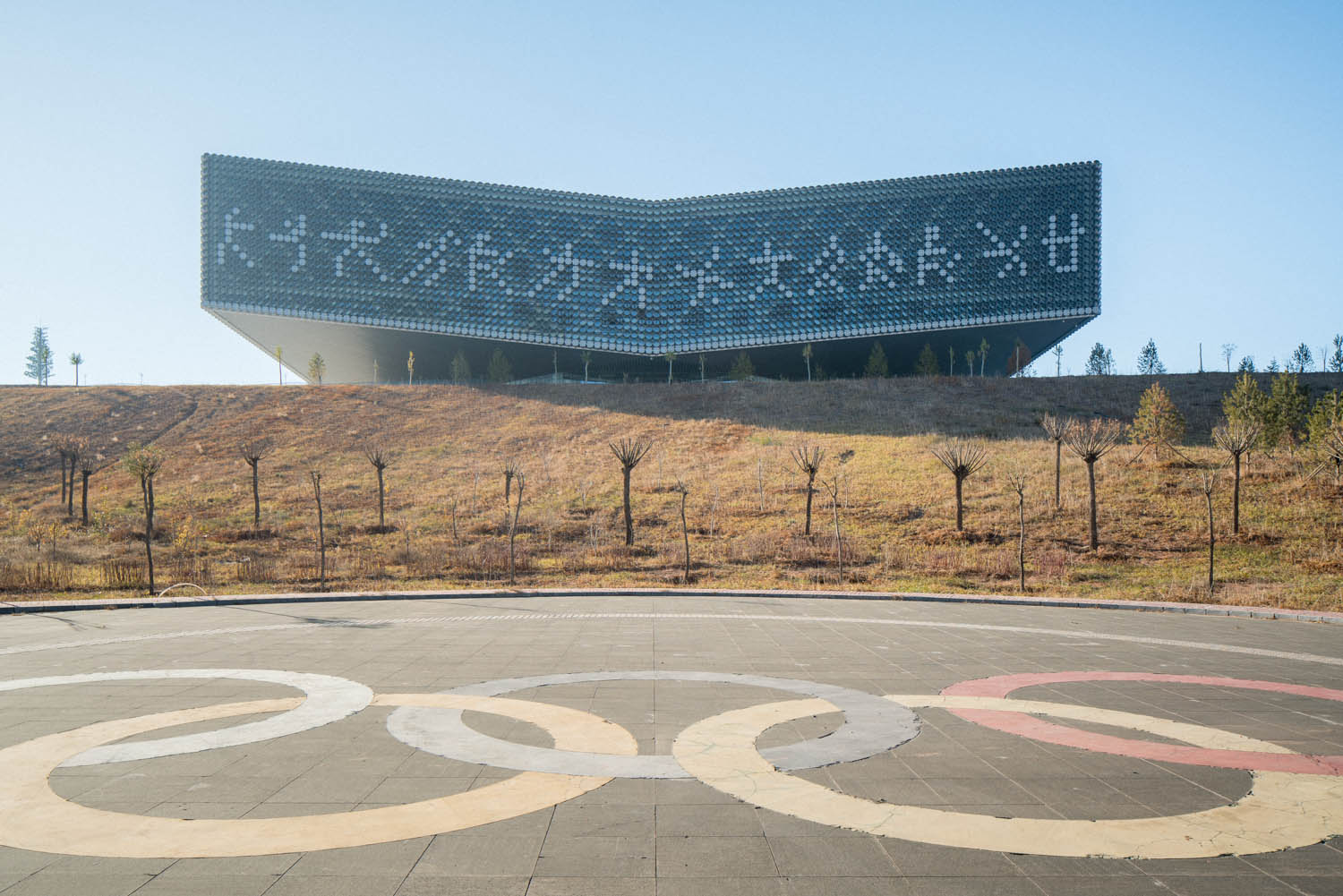
In the desert landscape of Inner Mongolia, the new district of Kangbashi in Ordos was conceived on an extraordinary scale. Museums, stadiums, residential towers and broad avenues formed an ambitious urban landscape, built in anticipation of a population that had yet to arrive in the numbers expected.
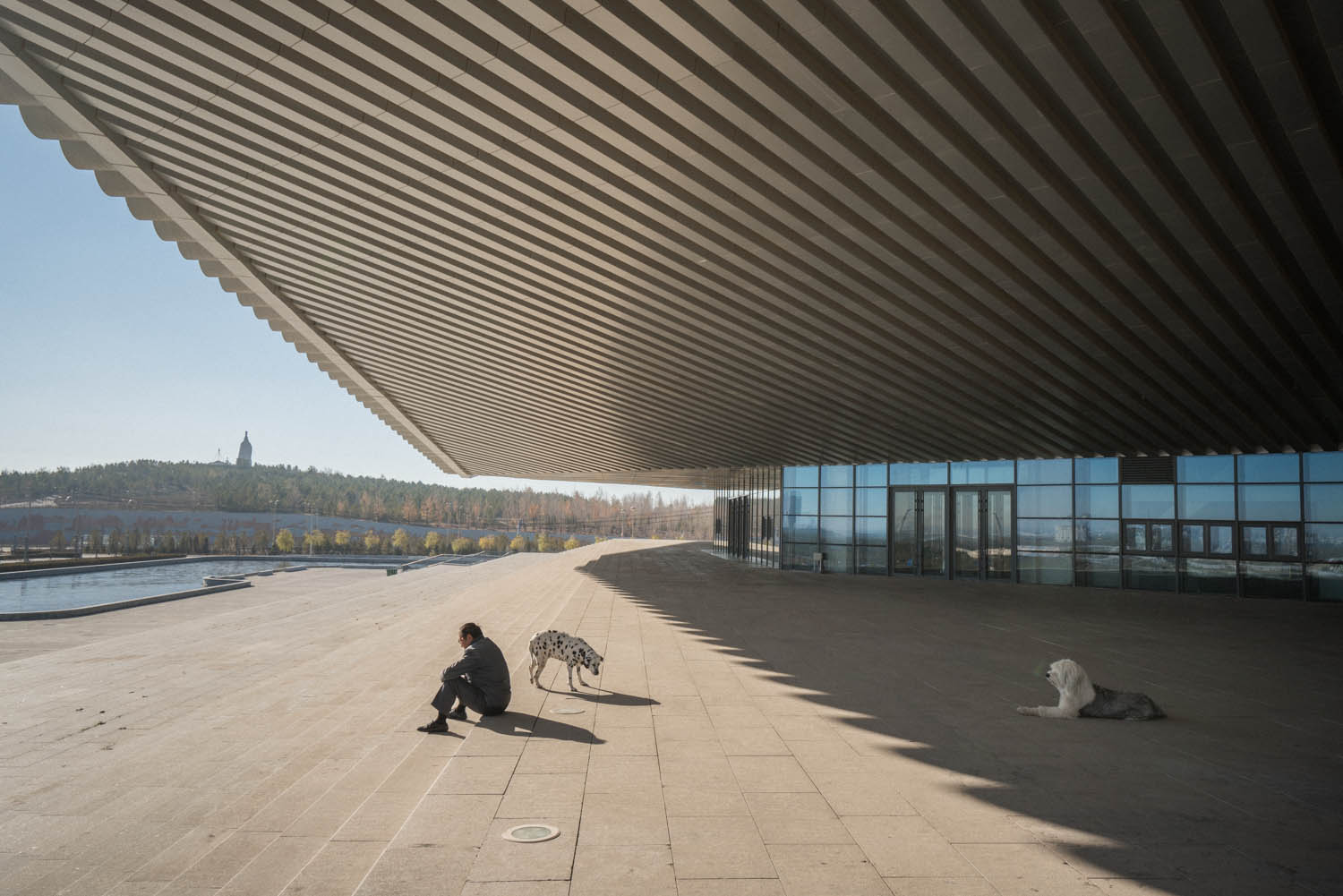
When I photographed Ordos in 2015, its reputation as a “ghost city” was already established. The series looks beyond that label, concentrating on architecture, the spaces between buildings and the occasional human presence that gives their scale meaning.
Geometric façades and monumental forms stand against open horizons. Between them, everyday details interrupt the grand plan: a basketball hoop, a pedestrian, a patch of improvised greenery. The photographs record this particular moment in the district’s development, rather than offering a verdict on its future.
The tension between ambition and everyday life also runs through my interviews with ArchDaily and SRF about the project. What interested me was not simply whether the plan had succeeded, but the extraordinary confidence behind it.
Ordos — A Failed Utopia is a study of that confidence: the scale of a dream, the spaces it produces and the lives beginning to take shape within it.